
SOFTWARE MONETIZATION
Software and IoT Monetization Solutions
Centrally Manage Applications, Devices, Features and Updates
Revenue Growth, Operational Efficiency and Customer Insights from Software
Regardless of how your software is deployed – on-premises, Cloud, SaaS, or embedded in devices – it is critical to centrally manage software, devices and customers with the power and flexibility to implement and enforce your business models.
Today’s software suppliers require the capacity to handle the complex mix of software monetization and deployment models that meet customers’ needs. Revenera’s Software Monetization platform empowers software suppliers and their channel partners to efficiently support these hybrid models and know what customers own and what they are using to effectively manage usage rights and customer growth.
HIGHLIGHTS
- 2023 IoT Breakthrough “Overall Enterprise IoT Platform of the Year”
- Frost & Sullivan 2022 Global Software License Management Market Leadership Award
PROBLEMS WE SOLVE

Flexible Monetization Models
In order to monetize effectively you need to understand what’s important to your customers and how they are using your products. And, most importantly, you need to be able to implement flexible models out of the box.

SaaS Monetization for Applications
Software products’ transition to services and SaaS is growing across consumer software, business software and IoT offerings. Revenera’s market-leading entitlement management enables suppliers to run a successful SaaS business.

Monetize the IoT – From Edge to Cloud
Everyone’s talking about the revenue potential of the IoT. We can help you drive incremental revenue from the IoT now. It's one reason we've received five IoT Breakthrough Awards.

Manage & Protect Your Devices
Billions of devices are connected to the IoT. If your business is growing, the number of devices you are shipping to customers is growing exponentially. Manual processes will break. Rely on automation to keep devices up to date and secure.

Build Better Products with Software Usage Analytics
As a product management professional in the competitive software market, you must be able to anticipate ever-expanding customer expectations to build successful products. You also need to deliver products on time and within budget to be competitive.

Turn Software Piracy into Revenue
Pirated software continues to be used at alarming rates. The global commercial value of unlicensed software is an astonishing $46.3 billion*. You have revenue hidden in these billions of dollars.
Monetize What Matters
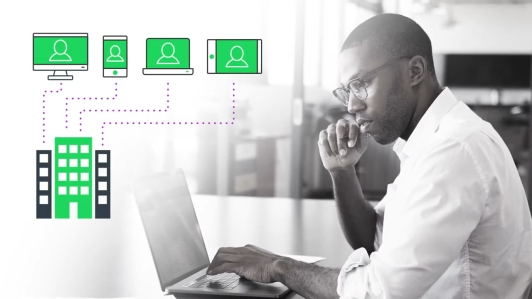
See how software suppliers benefit from a central view of their customers, across all products - SaaS, on-premises or embedded.
When choosing our monetization platform, we were looking for more than just a licensing tool. We wanted better insight into our customer base, flexible and scalable monetization models and the automation needed to run our growing software business. Revenera is the strong partner we need to deliver on these strategic goals.
MIKE TRESH Director, Product Management, PTC ThingWorx



Become a Digital Leader with Revenera
Learn how Revenera can help you generate incremental revenue and boost your bottom line with software monetization.